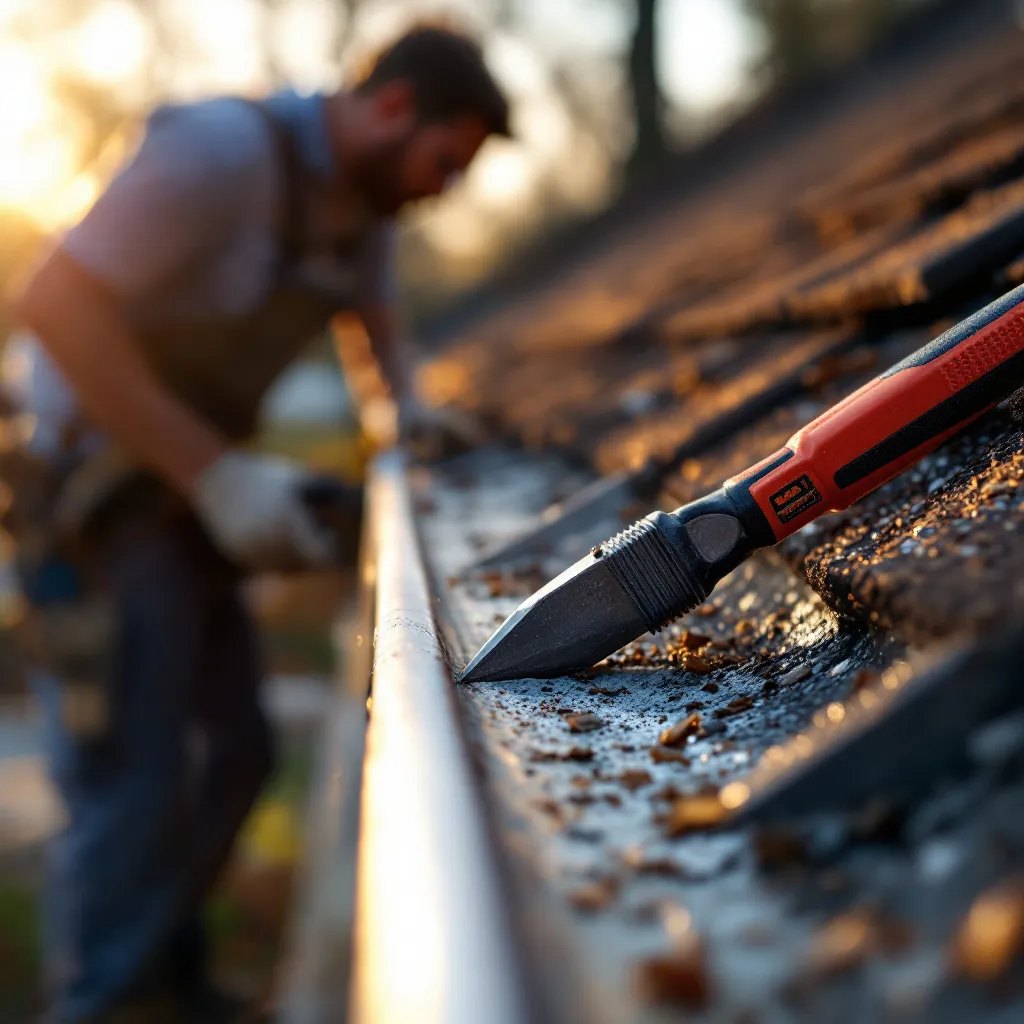
Gutter guard installation is worth the investment for most Des Moines homeowners, particularly those dealing with mature trees, harsh winter conditions, and the region's seasonal storms. Quality gutter protection systems significantly reduce the frequency of cleanings, prevent ice dam formation during Iowa's freezing winters, and extend the lifespan of your entire drainage system. While the upfront cost ranges from a few hundred to several thousand dollars depending on the system and home size, the long-term savings in maintenance labor, reduced water damage risk, and peace of mind typically justify the expense within three to five years. The key is selecting the right type of guard for your specific property conditions and ensuring professional installation for optimal performance.
Gutter guards substantially decrease the frequency of cleanings required, though they do not eliminate maintenance entirely. Homeowners with quality protection systems typically need professional cleaning once every two to three years rather than the twice-yearly schedule recommended for unprotected gutters. The guards prevent large debris like leaves, twigs, and seed pods from entering the gutter channel, which means the clogs that cause overflow and water damage become far less common. In Des Moines, where cottonwood seeds, oak leaves, and maple helicopters create seasonal debris challenges, this reduction in maintenance translates to real time and cost savings.
The actual maintenance reduction depends heavily on the type of guard installed and the surrounding environment. Homes surrounded by mature oaks or located near wooded areas will still accumulate some fine debris on top of guards, requiring occasional brushing or rinsing. However, this surface maintenance takes minutes rather than the hours required for a full gutter cleanout. The guards also prevent the dangerous buildup of wet, compacted leaves that can weigh down gutters and pull them away from fascia boards, a common problem during Des Moines spring thaws when freeze-thaw cycles stress unprotected systems.
Professional installation ensures guards are properly secured and pitched to allow debris to shed naturally while capturing water efficiently. Poorly installed or low-quality guards can actually create more maintenance headaches by trapping debris in hard-to-reach areas or allowing small particles to form a sludge layer inside the gutter. When evaluating whether guards will reduce your specific maintenance burden, consider your tree coverage, roof pitch, and willingness to perform occasional inspections. For most Des Moines properties with moderate to heavy tree coverage, the maintenance reduction is substantial and measurable.
Micro-mesh guards perform exceptionally well with the variety of leaf debris common throughout Des Moines and Central Iowa. These systems feature a fine stainless steel screen that blocks everything from large oak leaves to the tiny cottonwood seeds that plague the region each spring. The mesh allows water to flow through while debris sits on top and eventually dries out and blows away. This design handles the mixed hardwood environment typical of Iowa neighborhoods, where homeowners contend with maple, ash, oak, and elm trees dropping different types of organic matter throughout the growing season. The durability of stainless steel also withstands Iowa's temperature extremes without warping or degrading.
Reverse-curve or surface-tension guards also work well in Iowa conditions, particularly on homes with steep roof pitches. These systems use the principle of water adhesion to guide rainfall around a curved surface and into the gutter while leaves and debris fall to the ground. They handle heavy downpours effectively, which matters during Des Moines spring and summer thunderstorms when rainfall intensity can overwhelm lesser systems. However, these guards require precise installation to maintain the correct angle, and they may accumulate some fine debris on the curved surface that needs periodic brushing. They excel at shedding large leaves but can struggle with smaller seed debris.
Foam and brush-style inserts generally underperform in Iowa conditions and are not recommended for long-term protection. Foam inserts trap fine organic matter and decompose over time, creating a growing medium for seedlings and algae. Brush inserts catch leaves effectively but require frequent removal and cleaning, negating much of the maintenance benefit. Screen guards with larger openings work adequately for homes with minimal tree coverage but allow smaller debris through, which means more frequent interior gutter cleaning. For Des Moines properties, investing in quality micro-mesh or professionally installed reverse-curve systems provides the best balance of performance, longevity, and true maintenance reduction.
Installing gutter guards simultaneously with new gutters offers several practical and financial advantages that make it the preferred approach for most homeowners. When both systems are installed together, the contractor can ensure perfect integration between the gutter profile and the guard design, creating a seamless drainage system optimized for performance. This coordination eliminates the common problem of retrofitting guards onto existing gutters where mounting options may be limited or require modifications that compromise either the gutter warranty or the guard effectiveness. The installation crew can also address fascia board condition, proper gutter pitch, and secure mounting in a single project, reducing overall labor costs.
Combining the installations typically results in better pricing since the contractor is already mobilized with equipment and crew at your property. You avoid paying twice for setup, tear-down, and the overhead associated with separate service calls. Many gutter installation companies offer package pricing that bundles guards with new gutters at a discount compared to purchasing them separately. From a project management perspective, coordinating one installation timeline is simpler than scheduling two separate projects, and you immediately gain the full protection benefits without an interim period of exposed gutters collecting debris. This approach makes particular sense in Des Moines, where spring installation season books up quickly and scheduling flexibility becomes limited.
There are situations where adding guards to existing gutters makes sense, particularly if your current system is relatively new and functioning properly. If your gutters were installed within the past few years, are correctly pitched, and show no signs of sagging or separation from the fascia, retrofitting quality guards can extend their lifespan significantly. However, if your existing gutters are approaching ten years old, show wear, or have recurring problems with overflow or leaks, replacing the entire system with guards included provides better long-term value. A professional assessment can determine whether your current gutters are suitable candidates for guard installation or whether a complete replacement would serve you better.
Quality gutter guards significantly improve winter performance by reducing ice dam formation and preventing the freeze-thaw damage that plagues unprotected systems throughout Central Iowa. When gutters fill with wet leaves and debris before winter arrives, that organic matter holds moisture and creates ice blockages once temperatures drop. Guards keep gutters clear, allowing water to flow freely to downspouts even during brief warming periods between cold snaps. This consistent drainage prevents the standing water that freezes, expands, and cracks gutter seams or pulls sections away from fascia boards. During the temperature swings common in Des Moines winters, where daytime highs may reach the forties before plunging overnight, this drainage capacity becomes critical.
Micro-mesh guards in particular excel in winter conditions because their solid surface prevents snow and ice from entering the gutter channel while still allowing meltwater to drain. The fine mesh heats slightly from the roof, promoting faster snow melt on the guard surface while the gutter below remains clear for drainage. Some homeowners combine gutter guards with heat tape systems for enhanced winter protection, particularly on north-facing roof sections or areas prone to ice dam formation. The heat tape prevents ice buildup at critical points while the guards ensure the melted water can flow to downspouts rather than refreezing in debris-clogged channels. This combination provides comprehensive winter protection for Des Moines homes.
Not all guard types perform equally well in freezing conditions. Reverse-curve systems can accumulate ice on their curved surfaces during prolonged cold periods, temporarily reducing their effectiveness until temperatures rise enough for melting. Screen guards with larger openings may allow snow to enter the gutter, where it can melt and refreeze into problematic ice formations. When selecting guards for Iowa installation, winter performance should be a primary consideration alongside debris-blocking capability. Professional installers familiar with regional weather patterns can recommend systems proven to handle the specific challenges of Des Moines winters while maintaining year-round drainage efficiency.
The financial case for gutter guards becomes clear when comparing installation costs against the cumulative expense of regular cleanings and potential water damage repairs. Professional gutter cleaning in the Des Moines area typically costs between one hundred fifty and three hundred dollars per service, depending on home size and gutter accessibility. Homeowners without guards should clean gutters at least twice annually, resulting in three hundred to six hundred dollars in yearly maintenance costs. Quality gutter guard installation ranges from roughly eight hundred dollars for basic systems on smaller homes to three thousand dollars or more for premium micro-mesh protection on larger properties with complex rooflines. This means the investment pays for itself in approximately three to seven years through cleaning cost savings alone.
Beyond the direct maintenance savings, guards provide substantial value through damage prevention. Clogged gutters cause water to overflow and pool around foundations, leading to basement flooding, foundation cracks, and landscape erosion. A single foundation repair project can cost thousands of dollars, far exceeding the price of comprehensive gutter protection. Guards also prevent the fascia rot and soffit damage that occurs when overflowing water backs up under roofing materials. In Des Moines, where spring storms can dump several inches of rain in short periods, having gutters that function reliably during peak flow events protects your largest investment. The peace of mind knowing your drainage system works during severe weather has real value that is difficult to quantify but matters greatly to homeowners.
The return on investment improves significantly for homeowners who plan to stay in their property long-term or those with physical limitations that make ladder work dangerous. Older homeowners or those with mobility issues face both safety risks and higher costs when hiring professionals for routine maintenance. Guards essentially eliminate the need for risky ladder work multiple times per year. Additionally, homes with gutter protection often show better overall condition during real estate transactions, as buyers recognize the reduced maintenance burden and lower risk of water damage. When evaluating the investment, consider both the tangible cost savings and the intangible benefits of reduced maintenance stress and improved home protection over the system's twenty-year-plus lifespan.
Selecting the appropriate gutter guard system requires evaluating your specific property conditions, budget, and performance expectations. Start by assessing your tree coverage and the types of debris your gutters collect throughout the year. Homes surrounded by large deciduous trees need more robust protection than properties in newer subdivisions with minimal landscaping. Consider your roof pitch as well, since steeper roofs shed debris more effectively and work better with certain guard types, while low-slope roofs may require systems that handle slower water flow. The age and condition of your existing gutters also factor into the decision, as some guard systems require specific gutter profiles or sturdy mounting surfaces to perform correctly.
Quality and warranty coverage should guide your selection as much as initial price. Premium micro-mesh systems cost more upfront but typically include substantial warranties covering both the guards and their performance, with some manufacturers guaranteeing clog-free operation for decades. Less expensive options may save money initially but require replacement sooner or fail to deliver the maintenance reduction that justifies the investment. Look for systems with proven track records in Iowa weather conditions, including freeze-thaw cycles, heavy snow loads, and intense summer storms. Professional installation matters enormously, as even the best guards underperform when improperly mounted or incorrectly pitched. Working with experienced local contractors who understand Des Moines weather patterns ensures your system is designed and installed for optimal regional performance.
Before committing to a system, request detailed information about ongoing maintenance requirements and realistic performance expectations. No guard eliminates maintenance completely, but quality systems should reduce cleaning frequency to once every few years rather than multiple times annually. Ask about the warranty terms, including what situations are covered and what maintenance the homeowner must perform to keep the warranty valid. Some protection programs include periodic inspections and cleanings as part of the package, providing true hands-off gutter management. Evaluate several options and companies before deciding, focusing on long-term value rather than the lowest initial price. The right gutter guard system, professionally installed and appropriate for your specific property, delivers decades of reliable protection and maintenance reduction that justifies the investment many times over.
Goliath Gutters is a gutter company based in Des Moines, Iowa, serving homeowners across Central Iowa. The team installs, repairs, cleans an For professional help anywhere in Des Moines, visit gutter installation services.
☎Call (515) 468-2050 Goliath Gutters