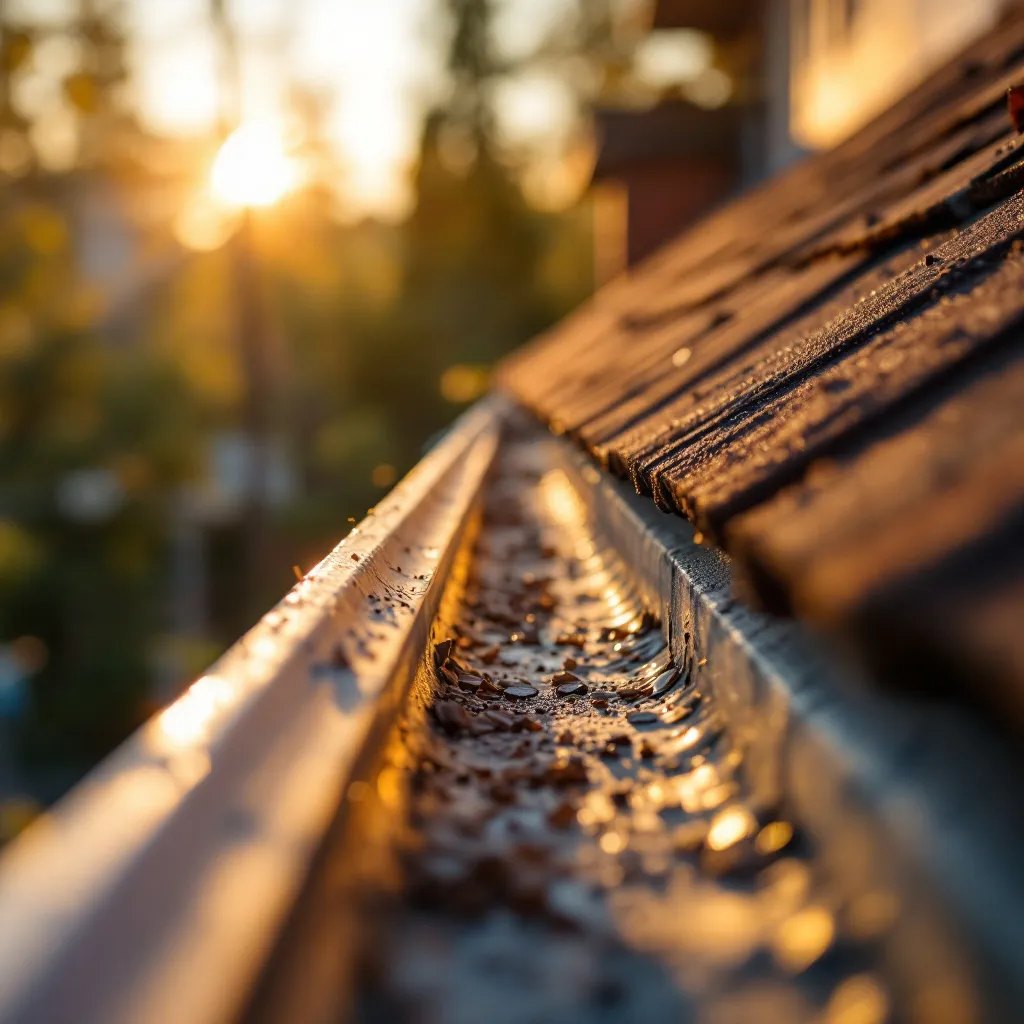
Choosing the right gutter material for your Des Moines home means understanding how each option performs under Iowa's demanding weather conditions. The metro area experiences temperature swings from below zero in January to ninety-degree summer heat, along with spring storms that deliver heavy rainfall and winter ice accumulation. Your gutter material needs to handle freeze-thaw cycles, resist corrosion from moisture exposure, and maintain structural integrity through seasonal extremes. Aluminum, copper, steel, and vinyl each offer distinct advantages and limitations in this climate. The best choice depends on your budget, your home's architectural style, and how much maintenance you're willing to perform over the system's lifespan.
Aluminum gutters demonstrate the strongest overall performance during Des Moines winters because they resist rust, handle thermal expansion effectively, and maintain structural integrity through repeated freeze-thaw cycles. When temperatures drop below freezing and rise again throughout the day, materials expand and contract. Aluminum's flexibility allows this movement without cracking, unlike more rigid options. The material also resists corrosion even when exposed to road salt spray that drifts onto homes near treated streets. Most professional installers in Central Iowa recommend seamless aluminum systems with proper pitch and adequate downspouts to prevent ice dam formation at the roofline.
Copper gutters rank as the most durable winter option but come with a significantly higher price point. Copper naturally resists corrosion and actually strengthens over time as it develops its protective patina. The material handles extreme cold without becoming brittle, and its thermal conductivity helps ice melt slightly faster than on other surfaces during temperature fluctuations. Steel gutters, particularly galvanized or stainless varieties, also perform well in winter conditions, though they require vigilant maintenance to prevent rust at seams and fastener points where the protective coating may wear through after several seasons of exposure.
Vinyl gutters struggle most during Iowa winters because the material becomes brittle in sustained cold temperatures. When ice forms inside vinyl channels or heavy snow loads press against the system, the gutters may crack rather than flex. Temperature swings cause vinyl to expand and contract more dramatically than metal options, which can loosen fasteners and create gaps at seams over time. While vinyl costs less initially and never rusts, homeowners in Des Moines often face replacement needs within ten to fifteen years compared to the decades-long lifespan of properly installed metal systems in the same climate conditions.
Aluminum gutters outperform vinyl in nearly every category that matters for Des Moines weather conditions. The metal handles temperature extremes without becoming brittle, supports heavier loads from ice and snow accumulation, and maintains its shape through years of seasonal stress. Seamless aluminum installation eliminates most leak points since the gutter runs continuously along each roofline section without joints. The material accepts paint well, allowing homeowners to match any exterior color scheme, and modern finishes resist fading from sun exposure better than vinyl formulations. Professional installation typically includes hidden hangers that secure the system firmly to fascia boards, creating a stable structure that withstands wind and weight.
Vinyl gutters offer one primary advantage over aluminum: lower upfront cost. For homeowners working within tight budgets, vinyl provides basic water management functionality at roughly half the price of aluminum systems. The material never rusts or corrodes, which sounds appealing until you consider that rust isn't the failure mode you need to worry about in Iowa. Vinyl's tendency to crack in cold weather, sag under load, and pull away from fasteners creates maintenance headaches that offset the initial savings. The color is molded throughout the material rather than applied as a finish, so scratches don't show as obviously, but the limited color options mean you're locked into whatever shades manufacturers produce.
When factoring in lifespan and maintenance requirements, aluminum proves more economical over time for most Des Moines properties. A quality aluminum system lasts thirty years or more with minimal upkeep beyond regular cleaning, while vinyl typically needs replacement after twelve to eighteen years in Iowa's climate. Repair costs differ significantly as well. Damaged aluminum sections can be cut out and replaced seamlessly, but vinyl repairs often remain visible and the patched areas become weak points prone to future failure. For homes you plan to own long-term or properties where curb appeal affects resale value, aluminum delivers better return on investment despite the higher initial expense.
Copper gutters can last fifty years or longer in Des Moines, often outliving the homes they protect. The material develops a protective patina that shields the underlying metal from corrosion, and this natural aging process actually enhances durability over time. Unlike aluminum or steel, copper doesn't rely on applied coatings or galvanized layers that eventually wear through. The metal resists damage from freeze-thaw cycles, maintains strength under snow loads, and handles thermal expansion without developing stress cracks. Many historic properties throughout Central Iowa still feature their original copper gutter systems installed decades ago, testament to the material's exceptional longevity in Midwestern weather patterns.
The patina that develops on copper gutters changes appearance from bright metallic orange to rich brown and eventually to distinctive green or blue-green, depending on exposure to moisture and air pollutants. This aging process concerns some homeowners who prefer the original copper shine, but the patina serves a protective function rather than indicating deterioration. In Des Moines, the transformation typically takes five to seven years to reach the mature green stage. Homeowners who want to preserve the bright copper appearance can apply clear protective coatings, though this requires reapplication every few years and somewhat defeats the maintenance-free advantage that makes copper appealing in the first place.
The primary limitation of copper gutters remains cost rather than performance. Copper material and specialized installation expertise push total project expenses to three or four times what comparable aluminum systems cost. For historic homes, architectural showpieces, or properties where owners prioritize longevity over budget considerations, copper makes excellent sense. The investment pays off through decades of reliable service without painting, rust treatment, or section replacement. However, most residential properties in the Des Moines metro area achieve perfectly adequate protection from quality aluminum systems at a fraction of the price, making copper more of a premium choice than a practical necessity for typical weather protection needs.
Steel gutters offer superior strength for homes with steep rooflines, large roof areas, or locations that receive heavy snow loads from drifting patterns. The material's rigidity prevents sagging even when ice accumulates inside the channels, and steel systems maintain their shape under stress that would deform aluminum. Galvanized steel features a zinc coating that protects against rust, while stainless steel eliminates corrosion concerns entirely at a higher price point. For commercial properties or homes with architectural features that create concentrated water flow, steel's structural capacity handles high-volume drainage better than lighter materials. The gutters can support heavier gutter guards and withstand ladder contact during maintenance without denting.
The main challenge with steel gutters in Des Moines involves managing rust potential over the system's lifespan. Galvanized coatings eventually wear through at seams, fastener holes, and areas where debris holds moisture against the metal. Once rust begins, it spreads quickly if not addressed. Regular inspection and prompt touch-up with rust-inhibiting primer and paint extend system life considerably, but this maintenance requirement makes steel more demanding than aluminum or copper options. Stainless steel eliminates rust concerns but costs nearly as much as copper, pricing it beyond most residential budgets. For homeowners willing to perform seasonal inspections and occasional coating maintenance, galvanized steel delivers decades of reliable service.
Steel works particularly well for properties with specific architectural needs or challenging drainage situations. Homes with minimal fascia depth benefit from steel's strength in thinner profile configurations. Properties surrounded by mature trees that drop heavy debris loads need the durability steel provides against impact damage. The material also suits restoration projects on older homes where matching original gutter specifications matters for historic accuracy. Modern steel systems often feature baked enamel finishes that resist chipping better than standard paint, reducing maintenance frequency. When professionally installed with proper pitch and adequate downspout capacity, steel gutters handle everything Des Moines weather delivers while maintaining structural integrity that lighter materials can't match.
Seamless gutters eliminate the joints and seams where sectional systems typically develop leaks, making them significantly more reliable in Des Moines weather conditions. Traditional sectional gutters connect ten-foot lengths with slip joints sealed with caulk or gaskets, and these connection points become vulnerable as temperature swings cause expansion and contraction. Water infiltrates these gaps, leading to fascia rot, foundation problems, and exterior damage that defeats the entire purpose of the gutter system. Seamless gutters are formed on-site from continuous coils of aluminum or steel, creating uninterrupted runs from corner to corner along each roofline section. The only seams occur at inside and outside corners, reducing potential leak points by eighty percent or more compared to sectional installations.
The custom fabrication process for seamless gutters ensures precise fit to your home's exact measurements, eliminating the gaps and overlaps that plague sectional systems. Professional installers use portable rolling machines to form gutters in whatever lengths your roofline requires, cutting and fitting each piece to match your home's specific dimensions. This precision matters particularly during spring storms when Des Moines receives intense rainfall that tests every weak point in a drainage system. Seamless construction channels water efficiently without the turbulence and backup that occurs at sectional joints, moving runoff away from your foundation before it can cause problems. The improved water flow also reduces overflow that stains siding and erodes landscaping.
While seamless gutters cost more initially than sectional systems, the investment pays off through reduced maintenance and longer functional life. Sectional gutters require regular inspection and re-sealing of joints, and even with diligent maintenance, the connections eventually fail and need replacement. Seamless systems eliminate this ongoing expense and the water damage that occurs when leaks go unnoticed between inspections. The professional installation required for seamless gutters also ensures proper pitch, secure fastening, and appropriate downspout placement, factors that matter as much as the gutter material itself. For Des Moines homeowners planning to stay in their properties long-term, seamless construction delivers better value despite the higher upfront cost.
Even the best gutter material fails prematurely when installed incorrectly, making professional installation as important as material selection for Des Moines homes. Proper pitch ensures water flows toward downspouts rather than pooling in low spots where it freezes during winter or breeds mosquitoes in summer. The standard quarter-inch drop per ten feet of gutter run seems subtle but makes the difference between a system that drains completely and one that holds standing water. Fascia attachment points need secure fastening into rafter tails rather than just trim boards, providing the structural support necessary to handle ice loads and wind stress. Inadequate fastening allows gutters to pull away from the house, creating gaps where water pours behind the system and damages walls.
Downspout placement and sizing directly affect how well any gutter material performs its drainage function. Des Moines spring storms can deliver two inches of rain per hour, and your gutter system needs adequate capacity to handle that flow without overflowing. Professional installers calculate downspout requirements based on roof area and local rainfall intensity data, typically spacing outlets every thirty to forty feet and using oversized downspouts for large roof sections. The downspouts must extend far enough from the foundation to deposit water where it won't seep back toward the basement, usually at least six feet away or connected to underground drainage tiles. Improper downspout configuration causes the problems gutters are meant to prevent, regardless of whether you've chosen aluminum, copper, or steel material.
Gutter protection systems installed during initial setup dramatically reduce maintenance requirements and extend material lifespan. Quality guards keep leaves, seed pods, and debris out of channels while allowing water to flow freely. This matters particularly in Des Moines neighborhoods with mature trees where gutters clog multiple times per season without protection. Clogged gutters hold moisture against metal components, accelerating corrosion on steel and causing ice dams in winter when trapped water freezes and expands. The weight of debris-filled gutters plus ice accumulation stresses fasteners and can pull even properly installed systems away from fascia boards. Professional installation that includes appropriate gutter protection from the start saves money and hassle over the system's lifespan while ensuring your chosen material performs as intended.
Goliath Gutters is a gutter company based in Des Moines, Iowa, serving homeowners across Central Iowa. The team installs, repairs, cleans an For professional help anywhere in Des Moines, visit gutter installation in Des Moines.
☎Call (515) 468-2050 Goliath Gutters