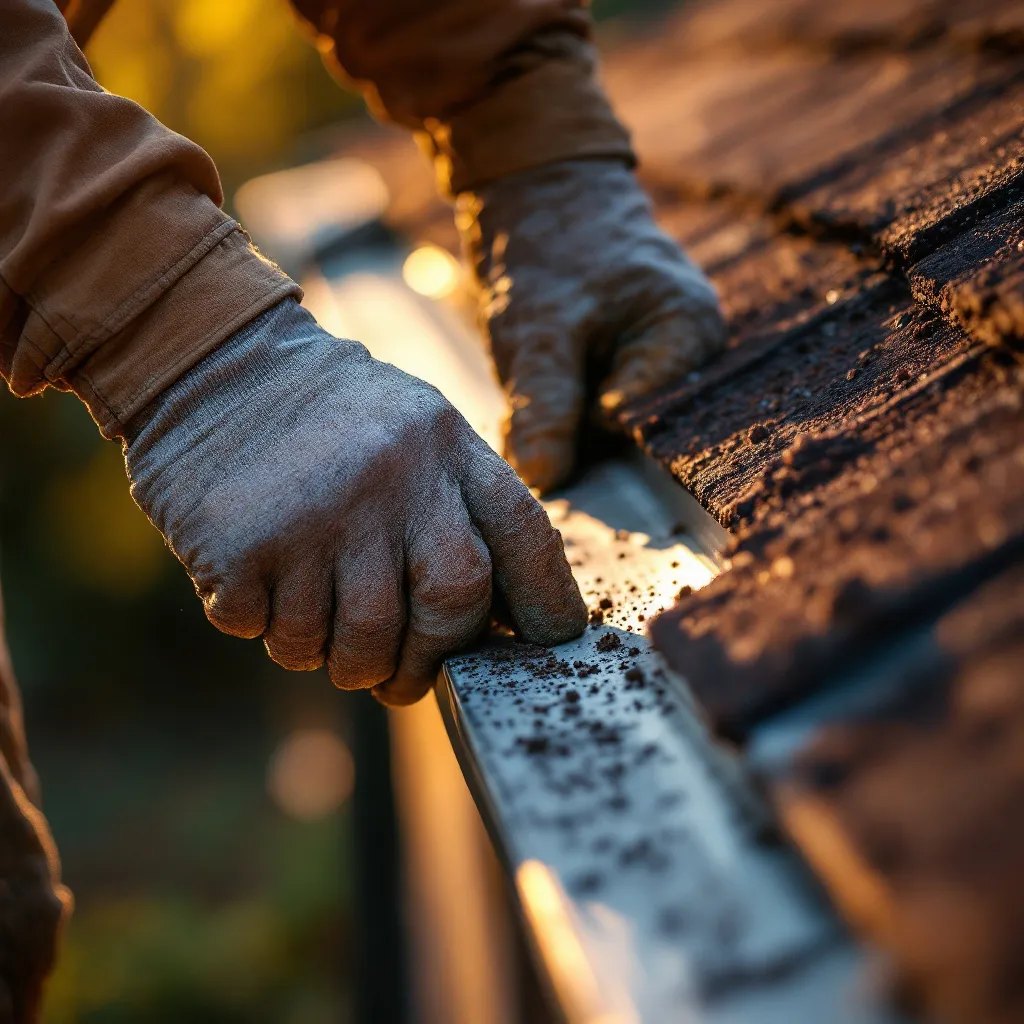
For Des Moines homeowners, the choice between seamless and sectional gutters significantly impacts both performance and long-term maintenance. Seamless gutters are custom-fabricated on-site to fit your home's exact measurements, featuring no joints except at corners and downspouts. Sectional gutters consist of pre-cut pieces joined together during installation. While seamless systems typically cost more upfront, they offer superior leak protection and require less maintenance over time. Sectional gutters provide easier repairs and lower initial investment but demand more frequent attention. Given Des Moines weather patterns, including heavy spring rains and winter freeze-thaw cycles, seamless gutters generally prove more reliable for protecting your home's foundation and exterior.
The fundamental distinction lies in construction and installation method. Seamless gutters are manufactured from a single continuous piece of aluminum, copper, or steel using a specialized machine brought directly to your property. The fabrication process creates gutters cut to your home's precise dimensions, eliminating seams along straight runs. Joints only appear at inside and outside corners where sections meet and at downspout connections. This custom approach means seamless gutters cannot be purchased at hardware stores and require professional installation with specialized equipment.
Sectional gutters arrive in pre-manufactured lengths, typically ten feet, that installers connect using brackets, sealants, and fasteners. These pieces snap or bolt together to span your roofline, creating multiple seams throughout the system. Homeowners can purchase sectional materials at building supply stores, making them accessible for do-it-yourself projects. The modular design allows for straightforward replacement of damaged sections without affecting the entire system. Installation requires basic tools and skills, though professional installation ensures proper pitch and secure mounting.
Material options differ slightly between the two systems. Seamless gutters commonly use aluminum due to its formability in mobile fabrication equipment, though copper and steel remain available through specialized contractors. Sectional gutters offer broader material variety, including vinyl, aluminum, steel, copper, and zinc, since factory manufacturing accommodates diverse production processes. Color selections exist for both types, with seamless systems often providing better color matching through powder-coating processes. In Des Moines, aluminum proves most popular for both styles due to its rust resistance and ability to withstand temperature fluctuations.
Seamless gutters dramatically reduce leak potential by eliminating the vulnerable connection points that plague sectional systems. Every seam in a sectional gutter represents a potential failure point where sealant can deteriorate, fasteners can loosen, and water can escape. Over time, thermal expansion and contraction stress these joints, particularly during Des Moines winters when temperatures swing from below freezing to above thawing multiple times. Seamless gutters bypass this issue entirely along straight runs, confining potential leak points to corners and downspout connections where proper installation techniques and quality sealants provide reliable protection.
The leak resistance advantage becomes especially valuable in Iowa's climate. Spring storms frequently deliver heavy rainfall that tests gutter capacity, while autumn leaves and winter ice create additional stress on joints. Sectional systems experiencing even minor leaks allow water to penetrate fascia boards, soffit, and siding, leading to rot, mold, and structural damage. These problems often go unnoticed until significant deterioration occurs. Seamless gutters channel water more reliably to downspouts, protecting your home's envelope and foundation from moisture intrusion that can compromise structural integrity and indoor air quality.
While seamless gutters offer superior leak resistance, proper installation remains critical for both systems. A poorly installed seamless gutter with incorrect pitch or inadequate fastening will underperform a well-installed sectional system. Professional installation ensures appropriate slope for water flow, secure mounting that withstands snow and ice loads, and properly sealed corners and outlets. Quality sealants designed for exterior exposure and temperature extremes provide lasting protection at necessary joints. Regular inspections catch minor issues before they escalate, regardless of which gutter type protects your home.
Seamless gutters demand considerably less maintenance than sectional systems throughout their lifespan. The absence of seams means fewer locations where debris accumulates and clogs form. Leaves, twigs, and shingle granules flow more smoothly through continuous channels toward downspouts rather than catching at joints where sectional pieces connect. This streamlined design reduces the frequency of cleaning required, though seasonal maintenance remains necessary for optimal performance. Des Moines homeowners with mature trees still need to clear gutters at least twice annually, but seamless systems typically handle debris passage more efficiently between cleanings.
Sectional gutters require more frequent inspection and maintenance of their numerous connection points. Sealant at joints deteriorates over time due to ultraviolet exposure, temperature cycling, and physical stress from expanding ice. These seams need periodic resealing to maintain water-tightness, adding maintenance tasks beyond basic cleaning. Fasteners at connections can loosen as materials expand and contract with seasonal temperature changes, requiring tightening or replacement. The additional hardware creates more opportunities for corrosion, particularly where dissimilar metals contact each other. Homeowners must monitor these vulnerable points regularly to prevent small problems from becoming expensive repairs.
Iowa weather patterns intensify maintenance demands for both gutter types. Heavy spring rains test system capacity and reveal leaks that developed over winter. Summer storms with high winds can dislodge poorly secured sections or damage gutters with falling branches. Autumn leaf accumulation creates clogs that cause water overflow and ice dam formation when temperatures drop. Winter freeze-thaw cycles stress every component, especially sectional joints. Seamless gutters withstand these challenges more reliably due to their continuous construction, translating to fewer emergency repairs and lower long-term maintenance costs despite higher initial investment.
Seamless gutter installation typically costs thirty to fifty percent more than comparable sectional systems due to specialized equipment, professional labor requirements, and custom fabrication. The mobile gutter machine represents a significant capital investment for contractors, and the expertise needed to operate it and properly install custom-length gutters commands higher labor rates. Material costs run slightly higher since seamless systems use heavier-gauge aluminum that resists warping during the forming process. For an average Des Moines home, expect seamless aluminum gutter installation to range from eight to twelve dollars per linear foot, depending on home height, roof complexity, and material selection.
Sectional gutter installation offers lower upfront costs, typically ranging from four to eight dollars per linear foot for professional installation. The pre-manufactured components cost less than custom fabrication, and installation requires less specialized skill and equipment. Homeowners comfortable with ladder work and basic tools can further reduce costs through self-installation, purchasing materials for three to five dollars per linear foot. However, improper installation often leads to problems that negate initial savings. Poor pitch causes standing water and premature deterioration, while inadequate fastening results in sagging gutters that pull away from fascia boards during storms or under snow load.
Long-term cost analysis favors seamless gutters despite higher initial investment. Reduced maintenance requirements save both time and money over the system's lifespan. Fewer repairs mean lower service call expenses and less disruption to your household. The superior leak resistance protects fascia, soffit, siding, and foundation from water damage that can cost thousands to remediate. Seamless gutters typically last twenty to thirty years with proper maintenance, while sectional systems often require replacement or extensive repairs after fifteen to twenty years. For homeowners planning to remain in their Des Moines property long-term, seamless gutters deliver better value through enhanced durability and performance.
Iowa's challenging weather conditions clearly favor seamless gutter systems. The state's dramatic temperature swings, from subzero winter cold to summer heat exceeding ninety degrees, cause significant expansion and contraction in gutter materials. Seamless gutters handle this thermal movement more effectively because continuous sections expand and contract as single units rather than stressing multiple connection points. Sectional systems experience concentrated stress at each seam, where different expansion rates between the gutter material and connecting hardware can break sealant bonds and loosen fasteners. Over multiple seasonal cycles, these stresses accumulate, leading to joint separation and system failure.
Winter weather poses particular challenges for Des Moines gutters. Heavy snow loads test structural integrity, while ice dams form when melting snow refreezes at gutter edges. Seamless gutters' continuous construction distributes weight more evenly across mounting brackets, reducing stress concentration that can pull sectional joints apart. Ice formation in sectional gutters often wedges seams open, creating gaps that persist after thawing. The freeze-thaw cycles that characterize Iowa winters, sometimes occurring multiple times within a single week, accelerate deterioration at sectional connections. Seamless systems maintain structural integrity through these cycles, protecting your home from ice-related damage and the water infiltration that follows.
Spring and summer weather brings different challenges that seamless gutters handle more effectively. Severe thunderstorms with heavy rainfall rates test gutter capacity and flow characteristics. The smooth interior of seamless gutters without protruding fasteners or joint irregularities allows water to move more quickly toward downspouts, reducing overflow risk during intense downpours. Strong winds accompanying storms can catch under poorly secured sectional pieces, especially at joints where gaps may have developed. Seamless gutters present a more unified surface that resists wind uplift. Hail, common in Iowa during spring and early summer, impacts both systems similarly, though seamless gutters eliminate the risk of hail dislodging weakened sectional connections.
Your budget timeline significantly influences the best gutter choice for your situation. Homeowners with immediate budget constraints but functioning fascia and soffits might reasonably choose sectional gutters to address urgent drainage needs while planning for seamless upgrades during future exterior renovations. However, if your project includes fascia repair or replacement, investing in seamless gutters during the same construction phase maximizes value and avoids duplicate labor costs. Consider your home's overall condition and your renovation timeline when weighing upfront costs against long-term performance. Financing options can make seamless gutters accessible even when immediate cash flow favors sectional systems.
Your home's architectural features and your maintenance preferences matter considerably. Multi-story homes, complex rooflines with numerous valleys and peaks, and properties with mature trees benefit most from seamless gutters' superior performance and reduced maintenance demands. Single-story homes with simple rooflines and minimal tree coverage may function adequately with well-installed sectional systems, particularly if you're comfortable performing regular maintenance. Consider your physical ability and willingness to clean gutters multiple times annually, inspect joints, and perform minor repairs. Homeowners who prefer minimal maintenance should invest in seamless gutters and professional gutter protection systems.
Your long-term homeownership plans should inform your decision. If you plan to sell within five years, sectional gutters might provide adequate protection while preserving capital for other improvements that offer better return on investment. However, seamless gutters enhance curb appeal and represent a quality feature that appeals to discerning buyers, potentially differentiating your home in competitive markets. For long-term homeowners, seamless gutters deliver superior value through decades of reliable performance, reduced maintenance costs, and better protection for your most significant investment. Professional installation ensures optimal performance regardless of which system you choose, with proper mounting, correct pitch, and quality materials appropriate for Central Iowa's demanding climate.
Goliath Gutters is a gutter company based in Des Moines, Iowa, serving homeowners across Central Iowa. The team installs, repairs, cleans an For professional help anywhere in Des Moines, visit expert gutter installation in Des Moines.
☎Call (515) 468-2050 Goliath Gutters